

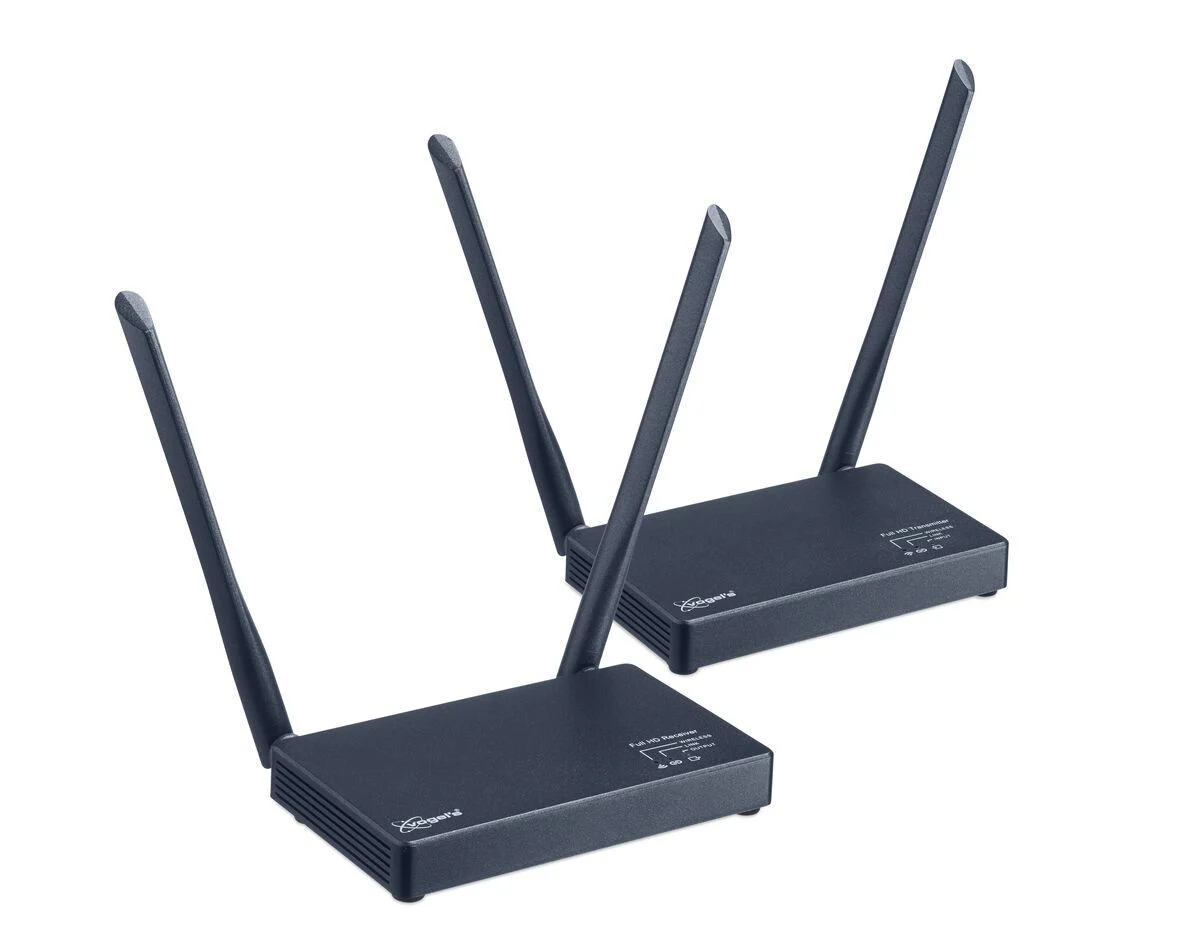
Wireless AV (Audio-Visual) technology allows audio and video signals to be transmitted without using physical cables. Instead of HDMI, VGA, or audio wires, wireless AV systems use Wi-Fi, Bluetooth, radio frequency (RF), or other wireless standards to send high-quality sound and video between devices.
This technology is widely used in homes, offices, classrooms, conference rooms, and entertainment systems.
What Is Wireless AV Technology?
Wireless AV technology is a system that transmits audio and video signals from a source device (like a laptop, camera, or media player) to a display or speaker (like a TV, projector, or sound system) without physical connections.
In simple words, it lets you share screens, videos, and sound wirelessly.
How Wireless AV Works
Wireless AV works by compressing audio and video data and sending it over a wireless network using radio waves or Wi-Fi signals. The receiving device then decodes the signal and displays the content in real time.
Most systems use:
- Wi-Fi or Wi-Fi Direct
- Bluetooth (for audio)
- RF transmission
- Screen-mirroring protocols like Miracast, AirPlay, or Chromecast
Types of Wireless AV Systems
There are several types of wireless AV technologies:
1. Wireless Screen Sharing
Used for presentations and meetings (e.g., Miracast, AirPlay, Chromecast).
2. Wireless Home Theater
Connects TVs, speakers, and media devices without cables.
3. Wireless Conferencing Systems
Used in offices for video conferencing and collaboration.
4. Wireless Audio Streaming
Used for Bluetooth speakers, earbuds, and smart sound systems.
Benefits of Wireless AV Technology
Wireless AV offers many advantages:
- No messy cables or complex wiring
- Easy setup and portability
- Clean and modern workspace
- Supports remote collaboration
- Flexible device connectivity
- Saves time and installation costs
Applications of Wireless AV Technology
Wireless AV is used in many fields:
- Smart homes and home theaters
- Corporate meeting rooms
- Educational institutions
- Healthcare presentations and training
- Digital signage and advertising
- Events and live streaming
Challenges of Wireless AV
Despite its benefits, wireless AV also has some limitations:
- Signal interference
- Network congestion
- Slight latency in some systems
- Security concerns if not encrypted
- Dependence on strong Wi-Fi networks
Modern systems reduce these issues with better compression, encryption, and network management.
Future of Wireless AV Technology
The future of wireless AV is very promising. With the growth of 5G, Wi-Fi 6, and IoT devices, wireless AV systems will become faster, more reliable, and more secure.
Emerging trends include:
- Ultra-low latency transmission
- 8K wireless video streaming
- AI-based signal optimization
- Smart integration with AR and VR
Conclusion
Wireless AV technology is transforming how we share and experience audio and video content. It offers convenience, flexibility, and a clean digital environment for homes, offices, and public spaces. As technology continues to improve, wireless AV will become the standard for modern connectivity.