

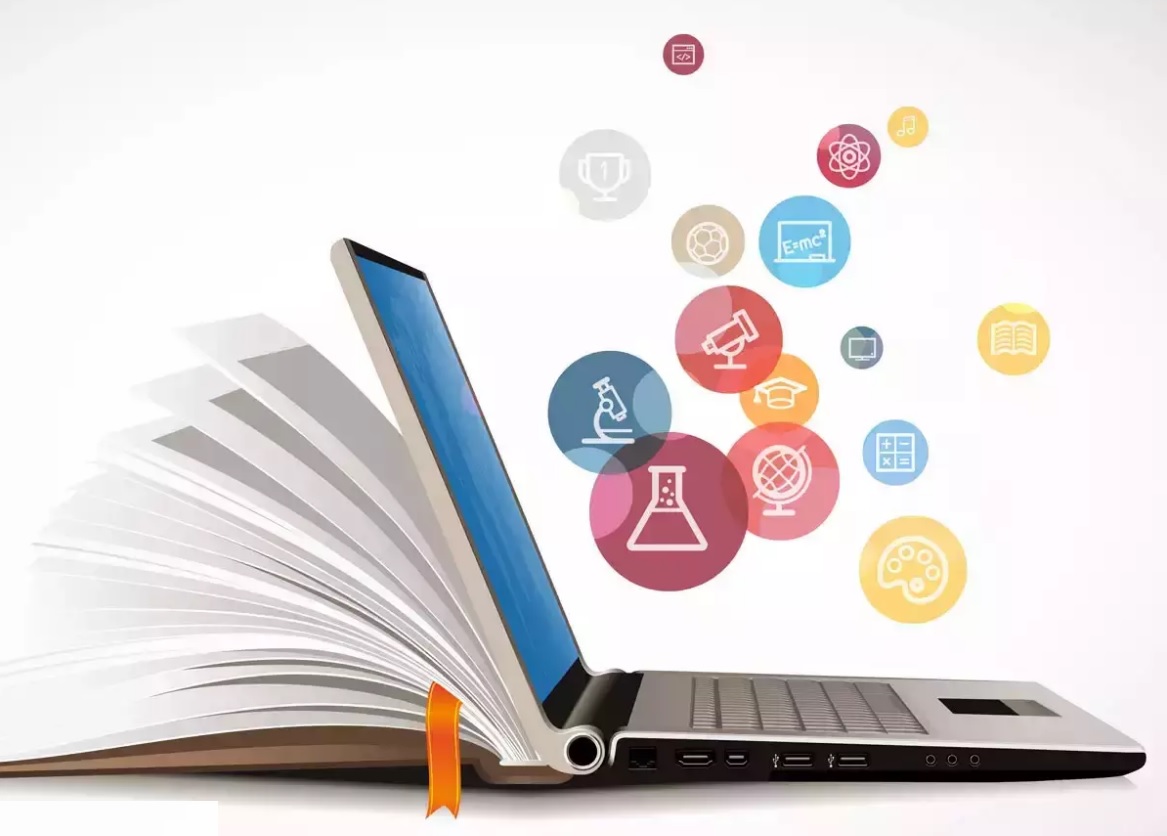
Understanding how Digital tools impact on education has become essential in today’s technology-driven world. Education is no longer limited to classrooms, chalkboards, and printed textbooks. Digital tools have reshaped how students learn, how teachers teach, and how knowledge is shared across the globe. From online platforms to interactive learning systems, technology has introduced flexibility, accessibility, and efficiency into education.
Just like problem-solving games such as the Immaculate Grid encourage structured thinking, digital tools promote analytical learning by helping students connect concepts, evaluate information, and apply knowledge in real-world contexts.
What Are Digital Tools in Education?
Digital tools in education refer to technology-based resources that support teaching and learning processes. These include learning management systems, educational apps, virtual classrooms, digital libraries, and assessment platforms. Understanding how Digital tools impact on education requires examining how these resources change traditional learning models.
These tools allow teachers to deliver lessons creatively while enabling students to learn at their own pace. Digital platforms also support collaboration, making education more interactive and engaging.
How Digital Tools Impact on Education for Students
One of the most significant ways how Digital tools impact on education is through improved student engagement. Digital content such as videos, simulations, and interactive quizzes helps students understand complex topics more easily.
Students also gain access to a wide range of learning materials beyond textbooks. Online resources encourage independent learning, critical thinking, and curiosity. Digital tools allow students to revisit lessons, practice skills, and receive instant feedback, which strengthens learning outcomes.
How Digital Tools Impact on Education for Teachers
Teachers benefit greatly when digital tools are integrated into education. These tools simplify lesson planning, grading, and communication. Understanding how Digital tools impact on education also involves recognizing how they reduce administrative workload, allowing teachers to focus more on student development.
With digital platforms, educators can track student progress, identify learning gaps, and personalize instruction. This data-driven approach improves teaching effectiveness and classroom management.
Role of Digital Tools in Personalized Learning
Personalized learning is a major outcome of understanding how Digital tools impact on education. Digital systems adapt content based on student performance, learning speed, and interests. This ensures that students receive support tailored to their individual needs.
Students who struggle can receive additional practice, while advanced learners can explore more challenging material. Personalized learning promotes confidence, motivation, and better academic performance.
How Digital Tools Impact on Education Through Accessibility
Accessibility is another critical area where digital tools make a difference. Understanding how it impact on education means recognizing how they break geographical and physical barriers. Online learning platforms allow students from remote areas to access quality education.
Digital tools also support learners with disabilities through features such as screen readers, subtitles, and adjustable learning formats. This inclusivity ensures equal learning opportunities for diverse students.
Digital Tools and Collaborative Learning
Collaboration is essential in modern education, and digital tools support this effectively. Understanding how Digitally impact on education includes examining how they enable teamwork through discussion forums, shared documents, and virtual group projects.
Students can collaborate with peers globally, exchange ideas, and develop communication skills. This prepares learners for real-world environments where digital collaboration is increasingly important.
Challenges of Digital Tools in Education
While exploring how Digital tools impact on education, it is important to acknowledge challenges. Not all students have equal access to technology, leading to a digital divide. Technical issues, lack of training, and overreliance on screens can also affect learning quality.
Additionally, without proper guidance, digital tools may distract students. Effective integration requires balanced use, clear policies, and teacher training to maximize benefits while minimizing drawbacks.
How Digital Tools Impact on Education Assessment Methods
Digital tools have transformed assessment methods in education. Understanding how this impact on it involves recognizing how online quizzes, automated grading, and real-time feedback improve evaluation accuracy.
These tools provide immediate results, helping students understand their mistakes quickly. Teachers can analyze performance data to improve instruction and ensure learning objectives are met.
Future Trends in Digital Education
The future of education is closely tied to digital innovation. Understanding how Digital impact on education also involves looking ahead. Artificial intelligence, virtual reality, and adaptive learning systems are expected to further enhance learning experiences.
These technologies will make education more immersive, data-driven, and skill-focused. As digital tools evolve, education will continue to become more flexible and learner-centered.
Why Understanding How Digital Tools Impact on Education Matters
Recognizing how its impact on education is crucial for students, educators, and policymakers. It helps institutions design effective learning strategies, invest in the right technologies, and prepare learners for a digital future.
When used thoughtfully, digital tools improve knowledge retention, skill development, and academic success.
Final Thoughts on How Digital Tools Impact on Education
In conclusion, how this impact on it goes beyond convenience. These tools transform learning by making it more accessible, personalized, and engaging. While challenges exist, the benefits of digital education far outweigh the limitations when implemented correctly.
i enjoy reading your articles, it is simply amazing, you are doing great work, i will be checking you out again for your next post.